
Understanding Loss in Later Life
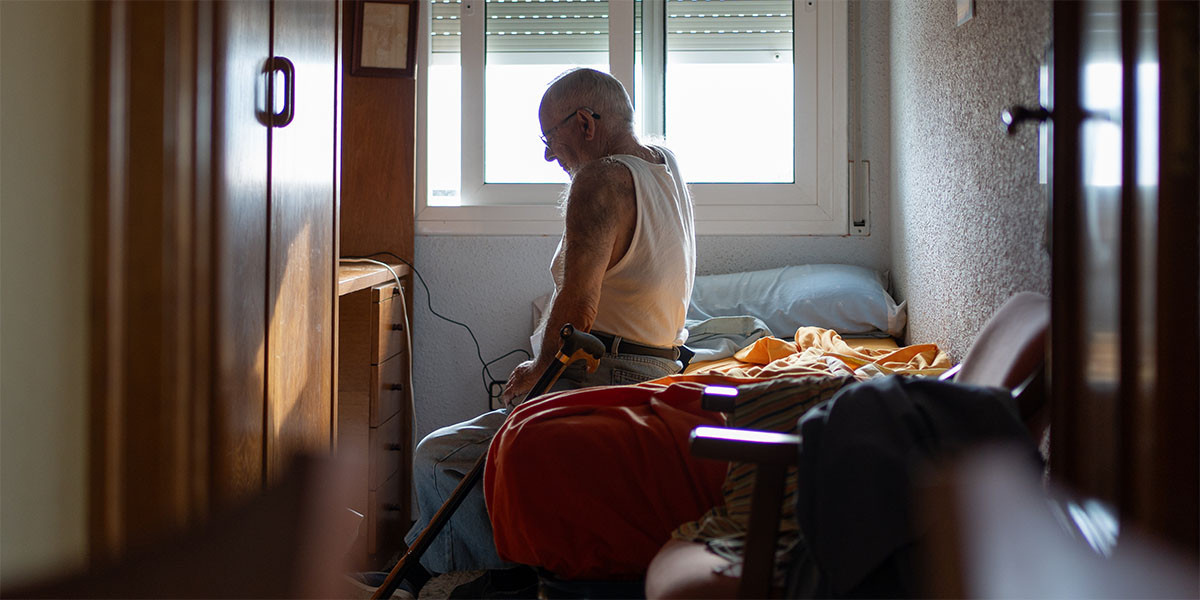
Experiencing some form of loss in later life is common, and many of us are not well prepared, says Daniel Heiser, PsyD, Senior Vice President, Behavioral Health at GuideStar. Here’s what every family should know.
First of all, the aging population is growing and is now almost 17% of the population; almost one in five Americans is over age 65.
Prepared for longer lives?
This trend is fueled, in part, by longer lifespans. Are we prepared? Researchers from John Hancock and MIT AgeLab recently released a new tool, the Longevity Preparedness Index (LPI), revealing their findings about just how ready we are to live well as we age.
The Index serves as a framework that looks at social connection, daily activities, care, home, community, life transitions, health, and finance—all recognized as key pieces in the puzzle of aging well.
Overall, the average American scores only 60 on a scale of zero to 100. Key areas of unpreparedness are housing, finance, and health. Care or long-term care needs stand out as a “blind spot,” said the researchers, with the lowest preparedness score (42). “Few US adults know who will care for them as they age or how they will afford that care, and many haven't discussed their wishes with family or loved ones,” says the John Hancock press release. That’s especially important because “one-fifth of an individual's life, on average, is now expected to be lived in a state of illness,” they note.
Dr. Heiser points out some key facts from the research:
- Fewer than half of people aged 50 and older (43%) think it is likely they will need long-term care in the future.
- 48% of older adults say they do not know how to plan for their long-term care needs.
- Few older adults have taken key steps to prepare for long-term care needs, including designating a durable power of attorney for medical care (27%) and identifying people in their lives who could serve as caregivers (24%).
- 62% of adults aged 50 and older mistakenly think Medicare will pay for their care if they need to permanently move into a nursing home. (Get the facts from the National Council on Aging.)
These findings can serve as a wake-up call for families to have conversations and build a long-term care plan. Guidance is a click away from AARP and the National Institute on Aging.
What type of loss?
Losses in later life can be gradual or sudden, says Dr. Heiser. Examples of gradual loss are changes in vision or hearing; chronic health conditions like arthritis or diabetes; loss of mobility or agility, or slow recovery after activity. Examples of sudden loss: stroke, heart attack, falls and fractures, new diseases such as cancer, or death of a loved one or close friend.
Anxiety, depression
“Loss in later life can contribute to significant struggles with anxiety,” explains Dr. Heiser. “Older adults often have many worries: serious illnesses, fixed incomes after retirement, their loved ones’ well-being, and mobility issues or hearing challenges that make daily life harder to navigate. But most people don’t think of their aging parent or grandparent as having anxiety.”
In fact, anxiety disorders are the most widespread mental health condition in older adults, he says. The official count is that 14-17% of older adults have an anxiety disorder, but most likely, many cases go undiagnosed.
Likewise, depression in later life may also go undiagnosed—and untreated, says Dr. Heiser. As compared with the experience of feeling sad, a person experiencing depression “suffers from symptoms that interfere with his or her ability to function normally for a prolonged period of time,” he explains.
In older adults, depression can be hard to recognize. It may take the form of emotional numbness or a lack of interest in activities, or a person may be less open to talking about their feelings than in times past.
Memory & cognitive impairment
A new study shows that the risk of developing dementia at any time after age 55 among Americans is 42%, more than double the risk reported by older studies. “It’s normal to forget things once in a while at any age, but serious memory problems make it hard to do everyday things such as driving, using the phone, and finding the way home,” says Dr. Heiser. Certain signs may indicate it’s time to talk to a doctor—asking the same questions over and over, getting lost in places you used to know well, having trouble following recipes or directions, or not taking care of yourself, he says. (Learn more about recognizing dementia symptoms and protecting cognitive health from the UCSF Fein Memory and Aging Center.)
Dealing with loss
What can we do to deal with loss in later life? Dr. Heiser advises:
- Prioritize self-care by eating well, exercising, and getting enough sleep. You can find new sources of purpose through hobbies, volunteering, or community groups. When dealing with loss, “allow yourself to grieve,” he suggests. “Seek professional help if needed, postpone major life changes, and be patient with the healing process.”
- Stay connected. Make an effort to maintain and build social connections through friends, family, and community organizations, he suggests. “Loneliness can worsen grief, so staying engaged is crucial.”
As the holidays near and you are gathering with loved ones, we invite you to take time to focus on your needs and the needs of those you care for. Keep in mind that GuideStar clinical psychologists, licensed clinical social workers, and mental health counselors are here to help as we navigate life’s changes together.